
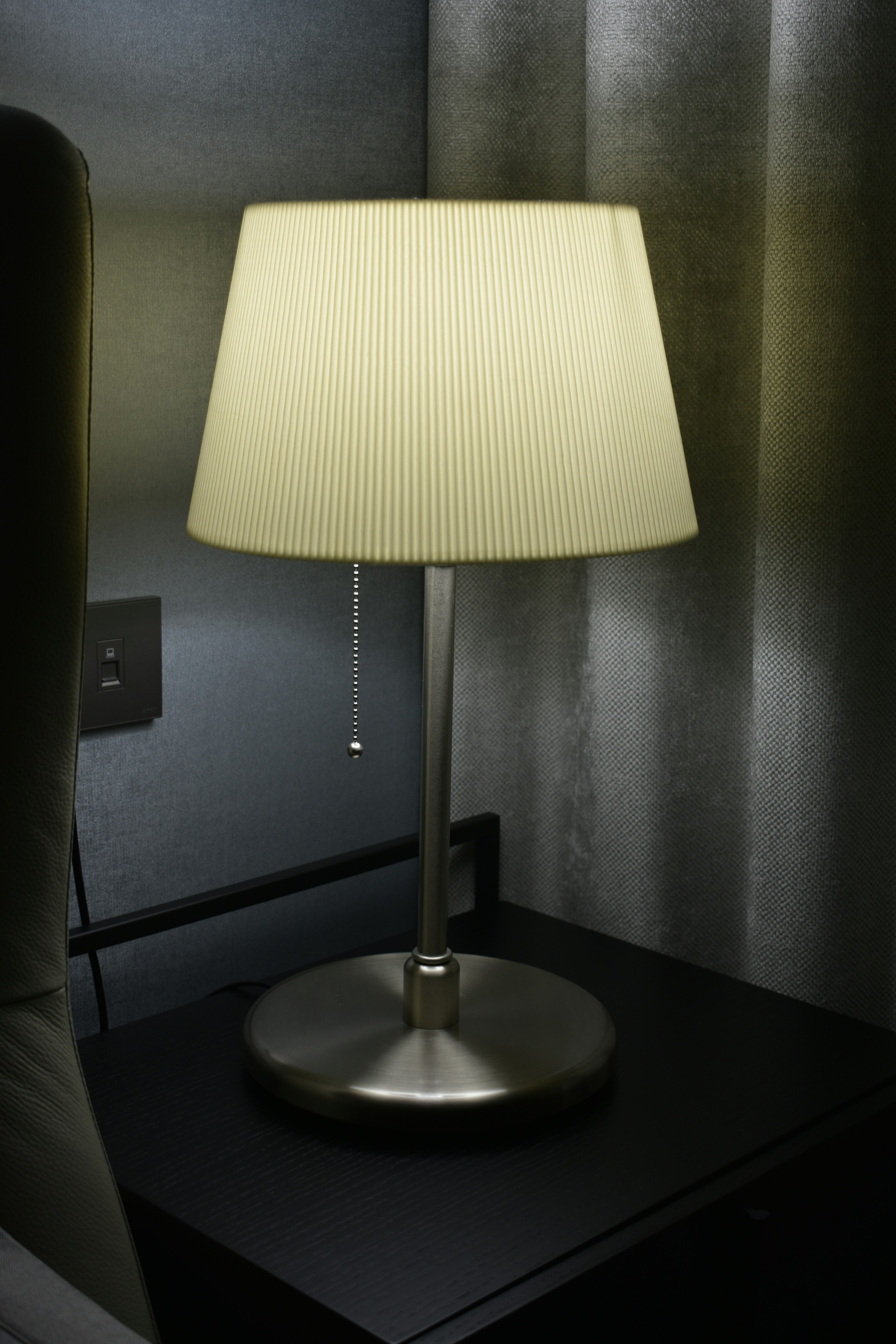
Understanding the Importance of Bedside Lamps
Bedside lamps are often an overlooked component of bedroom decor, yet they serve significant functional and aesthetic purposes. Their primary role is to provide adequate lighting, crucial for late-night reading, navigation, or other activities that require focused illumination. A well-placed lamp enhances visibility, ensuring that one can comfortably engage in various tasks without straining the eyes.
In addition to their practical use, bedside lamps also contribute to the overall aesthetic of the bedroom environment. The right lamp can complement the interior design, adding style and character to the space. A stylish bedside lamp can serve as a statement piece, reflecting personal taste and enhancing the overall ambiance of the room. Whether one opts for a modern, minimalist design or a classic, ornate piece, the lamp’s design plays a crucial role in defining the bedroom’s visual appeal.
Furthermore, bedside lamps can significantly affect mood and comfort. The color temperature and brightness of the lamp can create various atmospheres, influencing how one feels in the space. For instance, warmer light can evoke a sense of coziness and relaxation, making it ideal for winding down at the end of the day. In contrast, brighter, cooler light may be more suitable for energizing oneself in the morning or for reading. Choosing the right lamp is essential, as it not only serves a functional purpose but also creates a comfortable and inviting environment.
Ultimately, understanding the importance of bedside lamps involves recognizing their dual role in both functionality and decor. By selecting a lamp that meets lighting needs while also harmonizing with the bedroom’s design, individuals can greatly enhance their overall sleeping experience, making it both practical and visually pleasing.
Key Features to Consider When Selecting a Bedside Lamp
Selecting the perfect bedside lamp involves evaluating several critical features that enhance both functionality and aesthetics in your personal space. The size and height of the lamp are primary considerations; a lamp that is too tall or too short may not effectively illuminate your bedside area or could disrupt the visual balance of your décor. For optimal effectiveness, the lamp’s height should complement the height of your bedside table and mattress.
Brightness levels are also crucial when choosing a bedside lamp. Many lamps come with adjustable settings, allowing users to control the light intensity to suit various needs—from bright light for reading to a soft glow for relaxation or ambiance. Lamps with dimming options can provide versatility, ensuring the lighting can be tailored for different times of the day or activities.
Another important aspect is the lamp’s design. Aesthetic appeal should not be overlooked; the style of the lamp should harmonize with the overall theme of the bedroom. Whether you prefer a modern, minimalist approach or a more traditional, ornate design, the lamp should reflect your personal style without detracting from the room’s decor.
Additionally, the type of bulb is vital for both illumination quality and energy efficiency. LED bulbs are known for their long lifespan and energy-saving capabilities, making them an excellent choice for bedside lamps. Conversely, incandescent bulbs, while offering warm lighting, are less energy-efficient and have a shorter lifespan. Understanding these differences can significantly influence your decision and help in reducing energy costs over time.
Finally, it is essential to consider any additional features that may enhance usability, such as built-in USB ports for charging devices, touch-sensitive controls, or even compatibility with smart home systems. These factors not only contribute to the lamp’s functionality but also improve the overall convenience of your bedside setup.
Styles and Designs of Bedside Lamps
Choosing the right bedside lamp is crucial for enhancing both the functionality and aesthetic appeal of a bedroom. In the market, a myriad of styles and designs cater to diverse preferences and decor themes. This section will explore several popular bedside lamp styles, providing examples and guidance to help you select one that complements your bedroom’s ambiance.
Firstly, traditional bedside lamps often feature classic designs, such as ornate bases crafted from brass or ceramic, paired with fabric shades. These lamps evoke a sense of timeless elegance and can seamlessly integrate into more conventional interiors. For a touch of vintage charm, consider lamps with intricate details, which can serve as statement pieces in your room.
On the other end of the spectrum, modern bedside lamps appeal to those who favor sleek, minimalist designs. Characterized by clean lines and geometric shapes, these lamps often utilize materials like glass, metal, or concrete. A simple yet striking modern lamp can enhance a contemporary bedroom’s uncluttered aesthetic.
For a blend of aesthetics, transitional lamps bridge the gap between traditional and modern styles. They showcase versatile designs that fit various themes, making them an excellent choice for those who appreciate elements from both eras. A transitional lamp can adapt to changing decor while maintaining cohesion throughout your space.
When selecting a bedside lamp, consider the materials and colors that resonate with your overall bedroom design. Warm wood tones can add a cozy feel, whereas metallic finishes might introduce a touch of sophistication. Furthermore, the lampshade color can significantly affect the mood of the room; lighter shades tend to create a soft, inviting glow, while darker shades can provide more dramatic lighting conditions.
Ultimately, your choice of bedside lamp should not only illuminate your space effectively but also reflect your personal style, ensuring a harmonious blend with your existing decor. Taking the time to explore various styles and designs will undoubtedly lead you to the perfect bedside lighting solution that enhances your bedroom experience.
Setting Up and Maintaining Your Bedside Lamp
Setting up a bedside lamp requires careful consideration of placement, safety, and maintenance to ensure optimal usability and longevity. Ideally, the lamp should be positioned within easy reach from your bed, offering convenience for reading or lighting the space during nighttime activities. The height and brightness of the lamp should complement the overall design of your bedroom while providing adequate illumination. When selecting a location, consider factors like proximity to electrical outlets and avoiding any obstructions that might impede access.
Safety is paramount when placing a bedside lamp. Ensure that the lamp is constructed from materials that resist tipping and that the base is wide enough to provide stability. Additionally, it’s essential to use the appropriate bulb types recommended by the lamp manufacturer. Using bulbs with the wrong wattage can lead to overheating, increasing the risk of fire hazards. It’s also advisable to check that all electrical components, including cords and switches, are in good working order to prevent electrical failures.
Maintenance of your bedside lamp is crucial for both aesthetics and functionality. Regular dusting with a soft cloth helps prevent grime accumulation, while the lamp’s body and shade can be cleaned with a damp cloth and mild detergent as needed. Pay attention to the lamp’s bulb; replacing burnt-out bulbs promptly not only maintains consistent lighting but also ensures energy efficiency. If your lamp has a dimmer switch, periodically check that it functions correctly to avoid flickering lights. By adhering to these care tips, you can extend the life of your bedside lamp while maintaining a safe and inviting bedroom environment.